Dignity For Children’s Community Classrooms - ConnectED In Action
Penang, a state in North West Malaysia, to some might seem a picturesque haven as amidst a backdrop of colonial architecture and pristine beaches its cultural richness shines bright.
However, for a young refugee arriving in Penang, this idyllic facade likely is shattered and replaced by the reality of the challenges that displacement brings.
As a major country of transit in the region, Malaysia serves as a temporary home for many young people from all over the world seeking to escape persecution or conflict from their country of origin.
Malaysia, while not a signatory to refugee conventions, permits UNHCR assistance, yet the absence of legal recognition and refugee camps underscores the complex reality faced by those seeking asylum, with many residing in areas like Penang as they continue to navigate their uncertain journey in stark contrast to the apparent tranquility of the coastal state.
Without official governmental recognition, access to formal education might seem a pipe dream for youngsters on their journey to safety and security whilst they pass through the Southeast Asian nation.
Yet, since the opening of Dignity For Children a quarter of a century ago in Kuala Lumpur, a mixture of refugee children and underprivileged Malaysian youngsters have been able to receive education thanks to the growth of the charitable education centre.
As a response to the restrictions brought about by the Covid-19 pandemic, in 2020 Dignity For Children launched a new outreach project to empower “content leaders in their communities to start a classroom within their own home”, according to Community Classrooms co-ordinator Xin Le Koh.
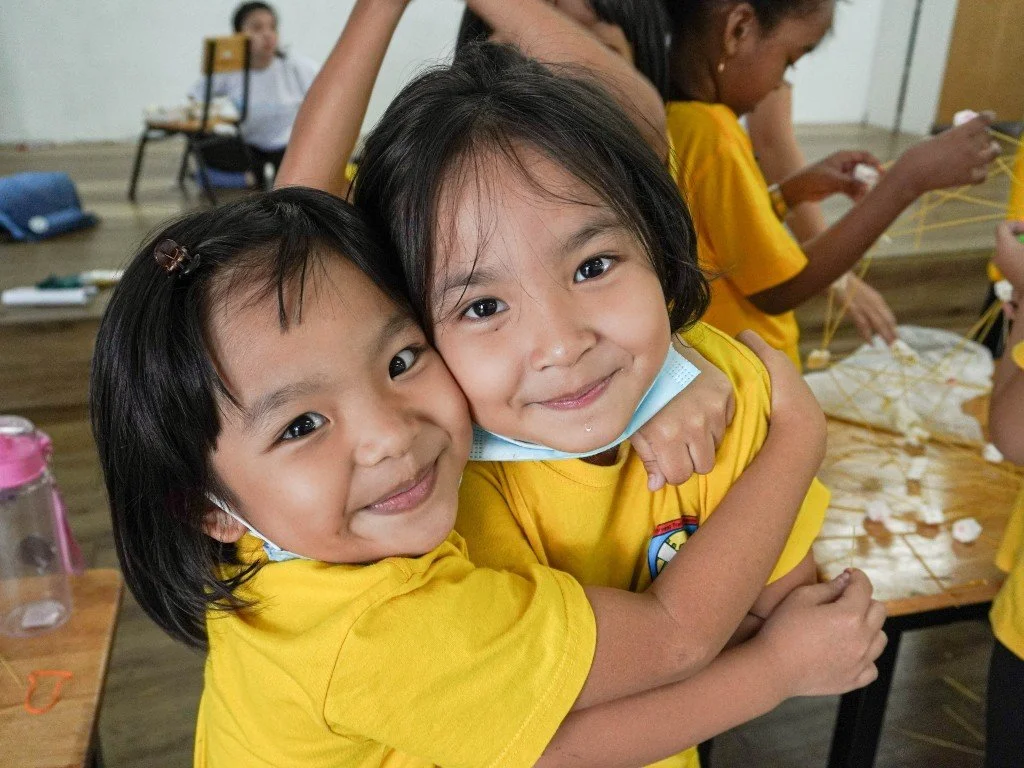
With three community classrooms in Penang, Koh explained that the classrooms can range from between 30-60 students in size, catering for students aged 3-14.
“I myself cannot imagine managing such large group of students with different age and academic levels by myself at one time,” said Koh, as she admired the work of the teachers.
““Within one class you have students with English at different levels, who have come to school at different excellency levels, so these are some of the things that teachers face.””
“[There are challenges with] language barriers, behaviour management, kids coming from different ages and different levels of understanding about proper education systems and also the amount of education they have before.
unconnected.org and The Access Group Foundation are supporting Dignity For Children’s Community Classrooms project with devices and access to the internet that can alleviate the teacher's need to manage such a large class size.
The purpose of the use of devices is to enable the teacher to “focus on one group of students whilst the other group can do self-managed learning” using an educational app.
The Access Foundation funded the delivery of 30 refurbished tablets to the three community classrooms in Penang.
Not only would the young people therefore receive more focused and direct attention from teachers with the use of tablets in the vast classrooms but The Access Foundation’s £10,000 donation also presents them with access to 5G high-speed internet connections that they may not have at home.
“From what I know most of them do not have the luxury to stream whatever they want,” posited Koh, with most students likely not having WiFi at home but perhaps only pre-paid mobile data plans depending on their parents’ economic status.
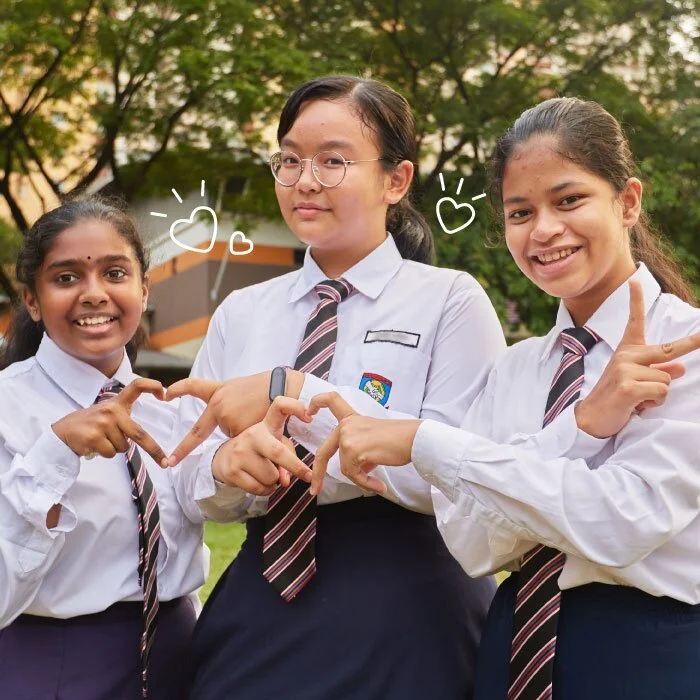
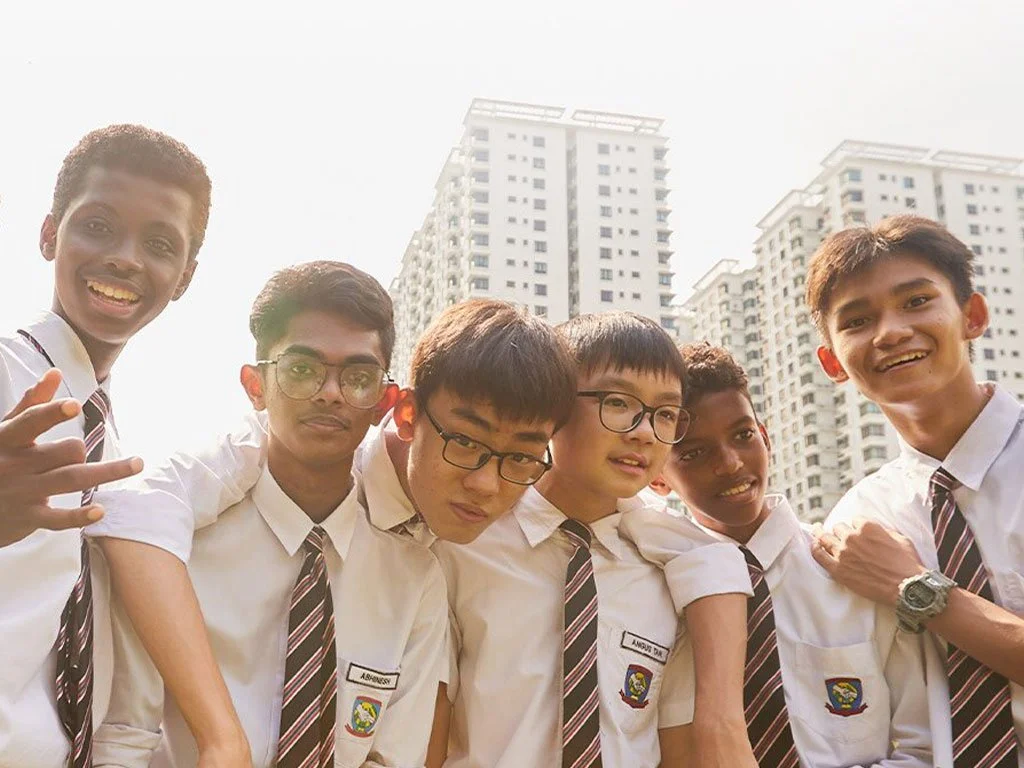
With an estimated 80-90% of the students coming from a refugee background Koh shared that amongst the 2,000 learners at Dignity For Children, in both Kuala Lumpur and Penang, that there are 30 different nationalities of students.
With the biggest refugee population from Myanmar, as well as large groups from Afghanistan, Sri Lanka and Pakistan, Dignity For Children is a very linguistically diverse environment.
Koh shared: “I feel glad to see the kids because some of them join us at a comparatively older age without education, they managed to join and [you can] see their progression from not being able to speak English and within half a year they can at least communicate and speak quite fluently and they slowly progress.”
However, Dignity For Children do not just pride themselves on their English language education, but rather on the style and approach to learning in general.
Within their pre-school and primary sections, Dignity For Children have been adopting the Montessori approach to provide more “holistic development and opportunities for the children”.
“It is children-centred, children-led, [whereas] in a conventional classroom you would see the teachers lecturing in front of you, and you just get to receive all this information,” said Koh advocating for the independent style of learning.
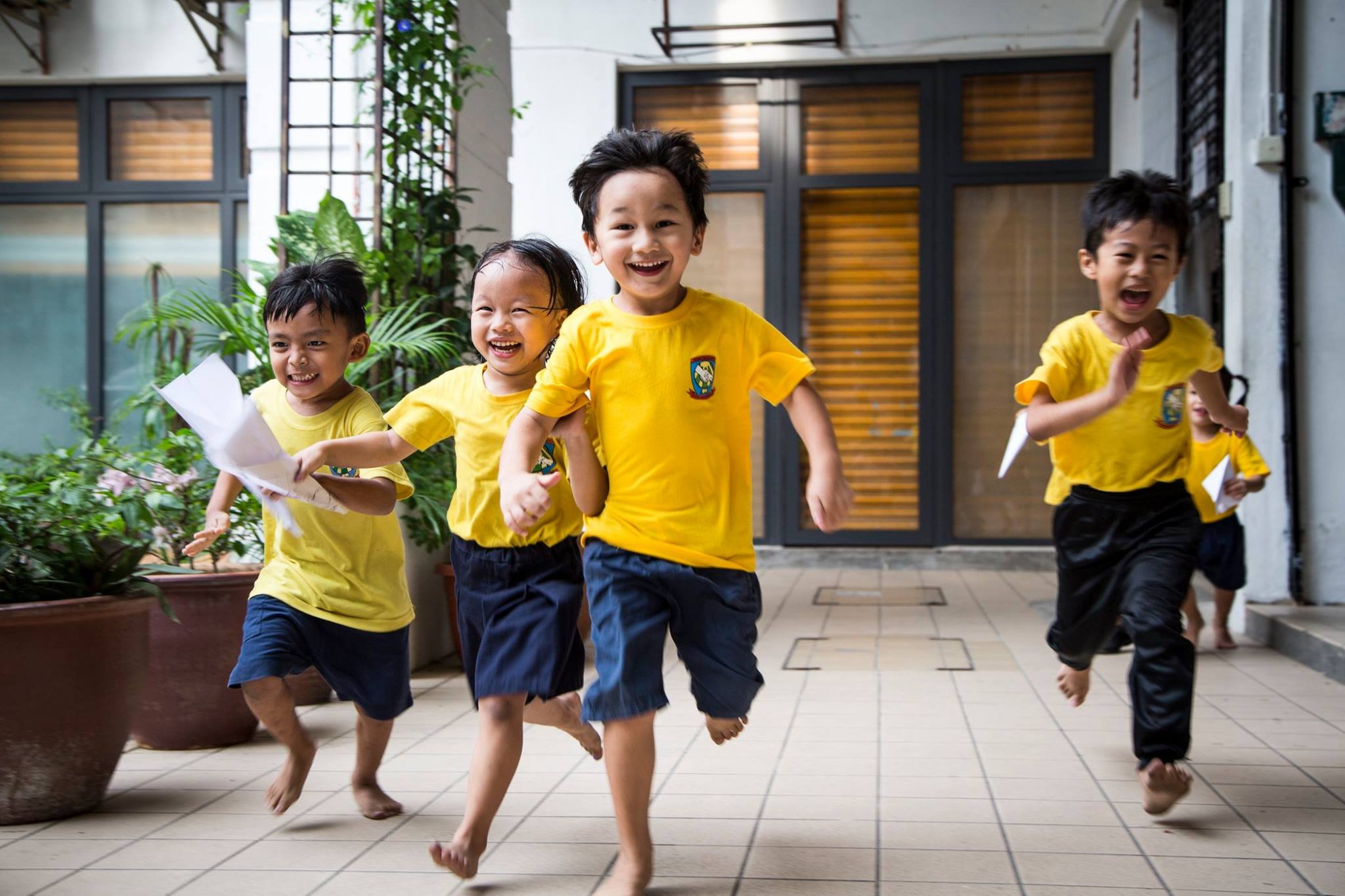
Within this system of education the internet is such a vital tool in supplementing the independent learning processes within which the young people at Dignity For Children are exposed to.
Reflecting upon her own childhood in the Malaysian public school system, Koh really views the difference with Dignity For Children’s emphasis placed on social and emotional development.
“Living in such backgrounds and families is never easy and their parents struggle financially and they also struggle financially.
“It is a lot of stress growing up in that environment, so those are one of the biggest challenges that we know that our students are going through, which is why we are not just emphasising that you have to score an A, but instead do you have the right support when you need support.”
As such, Dignity For Children’s education support departments, especially the Wellness and Welfare units that play a vital role to further offer support to the students e.g. mental wellness support, economic assistance in terms of scholarships/financial aid and much more.
“Other than just school we also do have our own enterprises as well and the enterprises actually started when the founders realised that we do not want to train our students just to be skillful in academics, they want them to have real life skills,” Koh told us.
Students can receive vocational training as part of the Transformational Enterprise scheme, participating in classes such as woodwork and sewing, in addition to opportunities to intern in different places, including their own cafe and salon.
This, however, is not to say that students cannot academically progress.
Even if students are paperless they can register as private candidates for public exams like iGCSE, some of them can get a card from the UNHCR which can enable them to go through the examinations.
“When they are resettled and when they move to another country they have proper opportunities to continue with their studies and they are at least equipped with proper knowledge to sustain themselves in the future.”
Koh continued, “they have more competence to compete with others in the future; I think that is the most obvious impact.”