How ISPs Can Reduce Rural Backhaul Costs by Up to 70 Percent
Rural and remote connectivity remains one of the hardest commercial challenges for ISPs and WISPs. The demand is real, particularly from schools and public institutions, but traditional backhaul pricing, high hardware costs, and fragmented procurement models often make rural expansion financially unviable.
For many operators, backhaul alone consumes the majority of a rural network’s operating costs. When relying on traditional satellite services or long fibre runs, monthly fees quickly exceed what schools, NGOs, or local governments can afford. This becomes the single biggest blocker to scale for small and mid sized ISPs.
Why Starlink Has Changed the Rural Connectivity Equation
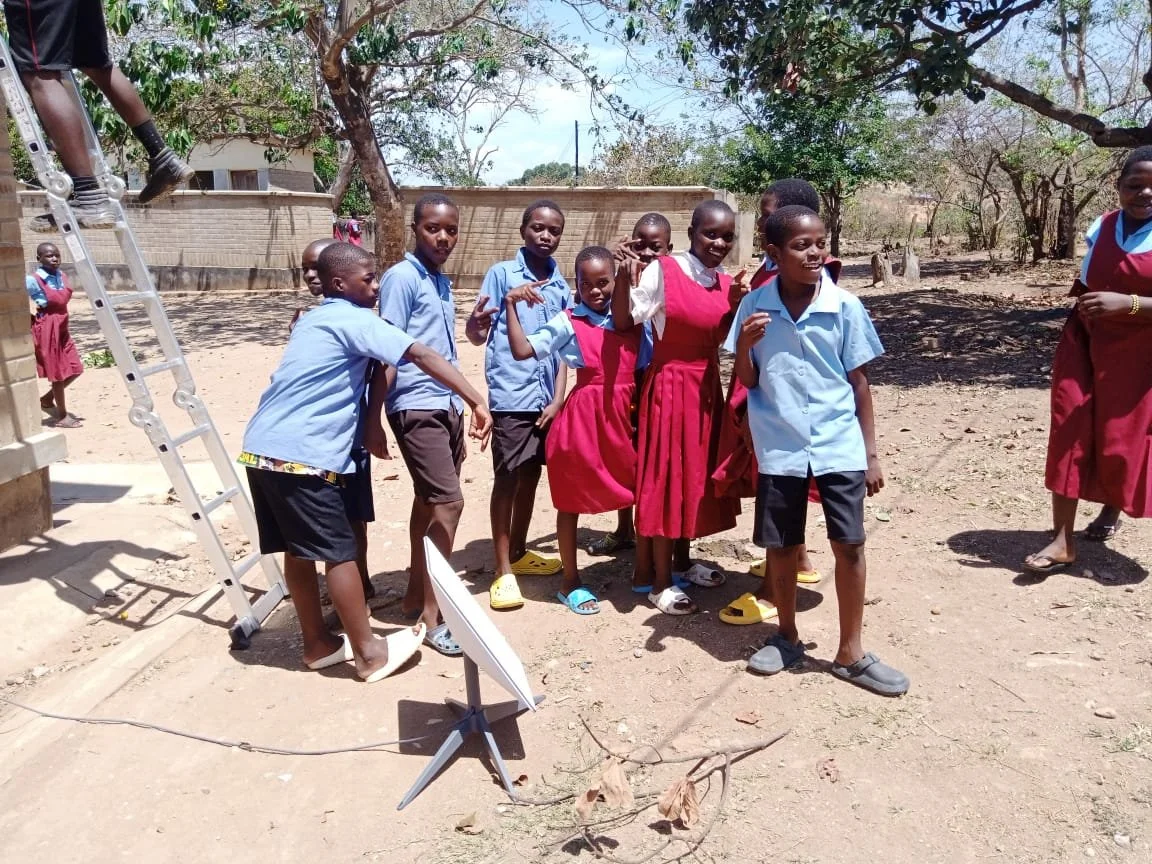
The emergence of low Earth orbit satellite systems such as Starlink has fundamentally changed what is possible in rural connectivity.
For ISPs, Starlink offers:
• Rapid deployment without long infrastructure build timelines
• High capacity suitable for education, health, and community use
• Coverage in areas previously unreachable by fibre or microwave
• Predictable performance compared to legacy satellite systems
However, while the technology is transformative, retail Starlink pricing is often misaligned with rural education budgets. Schools typically cannot sustain standard commercial satellite plans on their own, and ISPs deploying at scale face margin pressure when using retail pricing models.
This is where impact based deployment models become critical.
How unconnected.org Enables Cheaper School Connectivity Through Starlink
unconnected.org works with Starlink under impact aligned frameworks to enable significantly lower cost connectivity for schools and community anchor institutions.
Rather than treating each school as an isolated customer, unconnected.org aggregates demand across multiple education and public access sites. This allows ISPs to access Starlink connectivity under impact pricing structures when the service is used to support schools, clinics, and community WiFi networks.
Through the unconnected.org Impact Marketplace, ISPs can:
• Access Starlink backhaul at up to 70 percent lower cost than standard commercial pricing for eligible impact deployments
• Port in existing Starlink kits where appropriate, reducing hardware waste and upfront investment
• Bundle connectivity with routers, WiFi distribution, and power solutions in a single deployment model
• Deploy school connectivity faster by avoiding multiple vendor negotiations
This approach allows ISPs to offer schools reliable, high speed internet at price points that are sustainable long term, rather than relying on short term grants or pilot funding.
Schools as Anchor Tenants for Sustainable ISP Expansion
School connectivity is not only a social good, it is also a strategic anchor for rural network expansion.
When ISPs deploy Starlink backed connectivity to schools:
• The school becomes a guaranteed baseline customer
• Infrastructure can be shared with nearby community WiFi access points
• Local demand for paid services grows organically
• The network footprint expands with lower risk
By combining Starlink backhaul with local fixed wireless or WiFi distribution, ISPs can design hybrid networks that serve both impact and commercial users on the same infrastructure.
The Impact Marketplace supports these hybrid models by ensuring all components, connectivity, hardware, power, and management tools, are designed to work together in low infrastructure environments.
Reducing Cost and Complexity Through Bundled Deployment
One of the biggest barriers to rural school connectivity is not technology, but procurement complexity.
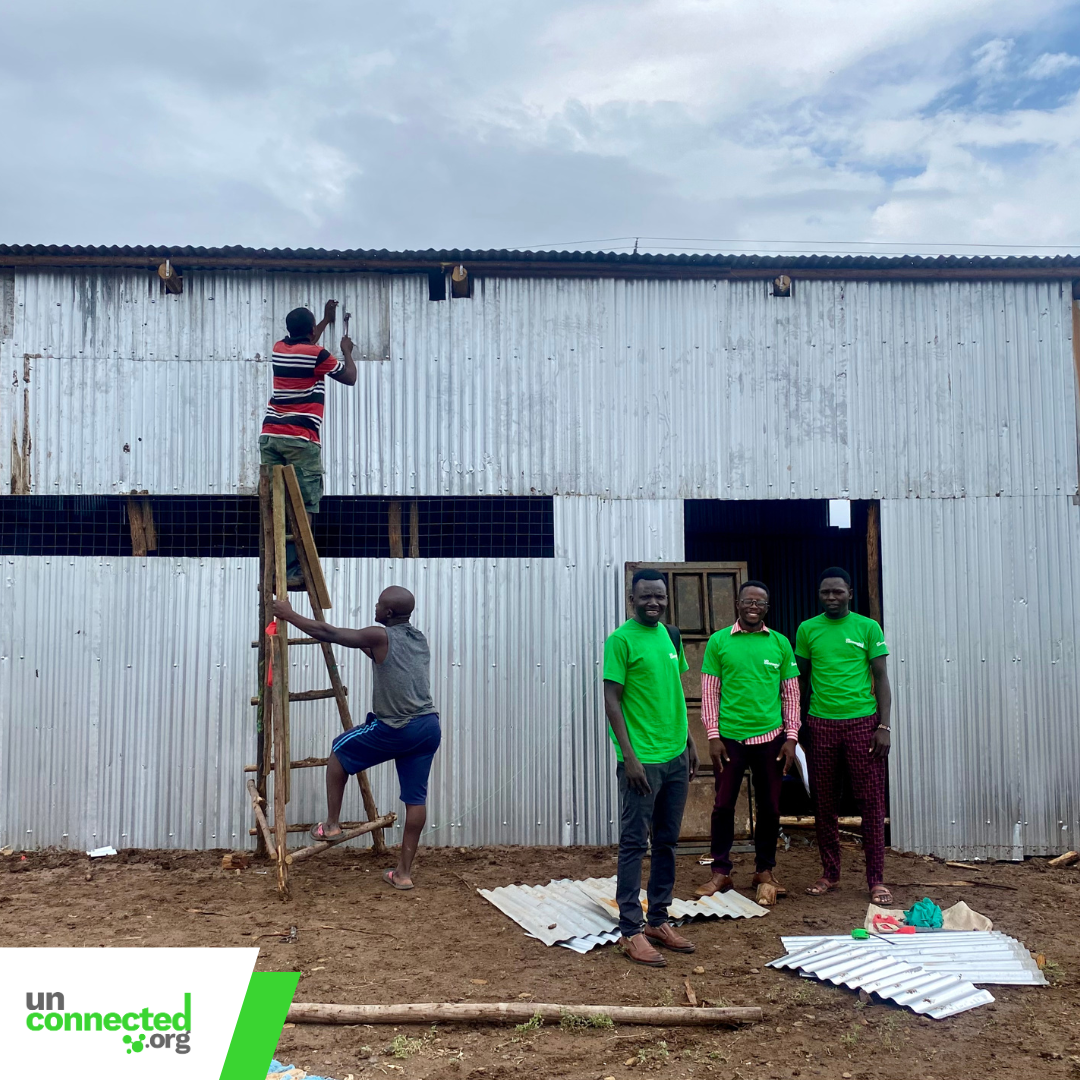
Traditionally, ISPs must source:
• Satellite backhaul from one provider
• Hardware from another
• Power solutions separately
• Network management tools elsewhere
The unconnected.org Impact Marketplace simplifies this by offering pre vetted, field tested deployment stacks designed specifically for schools and rural institutions.
This reduces:
• Upfront CAPEX
• Ongoing OPEX
• Deployment timelines
• Operational risk
For ISPs, this means faster rollout, clearer unit economics, and the ability to scale school connectivity beyond one off projects.
A Practical Path to Scale
For ISPs looking to expand coverage without destroying margins, reducing backhaul costs is the first and most important step. Starlink provides the technical capability, but impact aligned procurement makes it financially viable.
By leveraging aggregated demand, impact pricing, and bundled deployment models through unconnected.org, ISPs can turn school connectivity from a cost centre into a foundation for sustainable rural networks.
Explore how these models are deployed in practice through the unconnected.org Impact Marketplace.