

Global Impact Stories
Stories from the field showing how we are building digital futures where they’re needed most.


The digital divide in India
In this blog post, we will explore the importance of internet access for India and its impact on individuals and communities across the country.

Why is access to internet important for refugees
In this blog post we will cover 5 reasons why we selected “Connecting Refugees” to be on of our main themes to focus on when it comes to digital equity.


Escaping Ukraine - Part 1
One year on. Remembering the displacement of Ukraine’s people and the importance of technology in solving their challenges.
This is the first of 4 posts we’ll share in the coming weeks about the impact connectivity had on the lives of those fleeing conflict and establishing new lives elsewhere.

When help is needed close to home
One of our themes is “Connecting Women” and today we were able to deliver phones to a women’s shelter to support them as they are building a new safer life with their families.

Why IT refurbishment should sit with CSR
Much of our e-waste still ends up in illegal sites in Africa, causing serious issues for the local population. Could there be a better way to dispose of your IT equipment?

Why are the ‘Silver Surfers’ missing from the conversation?
The discussion surrounding the latest technologies and emerging digital resources often seems to be missing the voice of the so-called ‘silver surfers’ — the elderly, who might benefit from these technologies the most.

Impressions from the front line
The last weeks have left long lasting impressions on me. First we went to the Romanian Ukrainian Border at Siret and then to Berlin in Germany, let me explain. - Ben Mansell COO theunconnected.org

Happy Birthday SMS
Only 29 years ago, December 1992, when a 22-year-old software developer Neil Papworth sent a text message saying “Merry Christmas” to a colleague, you could say it had a similar impact on communication.

Understanding the excluded
ICTs and technology can contribute to Sustainable Development Goal10, Reduced inequality within and among countries, but to do so, it is essential to know how the world is in terms of the digital divide to find better solutions.

Digital Divide in India
Despite being the second-largest online market with over 560 million internet users, less than half of India’s population has access to the internet. As in other parts of the world, the digital divide in India increased during the pandemic.

Half a bread and a book
Opinion Article: How can connectivity help accelerate the SDGs?
Why a book? Instead of a half a bread? Why libraries? Why learning? Why education?
The answer today is the same it was in 1931. To raise really free-thinking humans, able to understand human values like justice, freedom, democracy, love, honesty, dignity, compassion, courage, friendship, loyalty, respect, generosity, kindness.
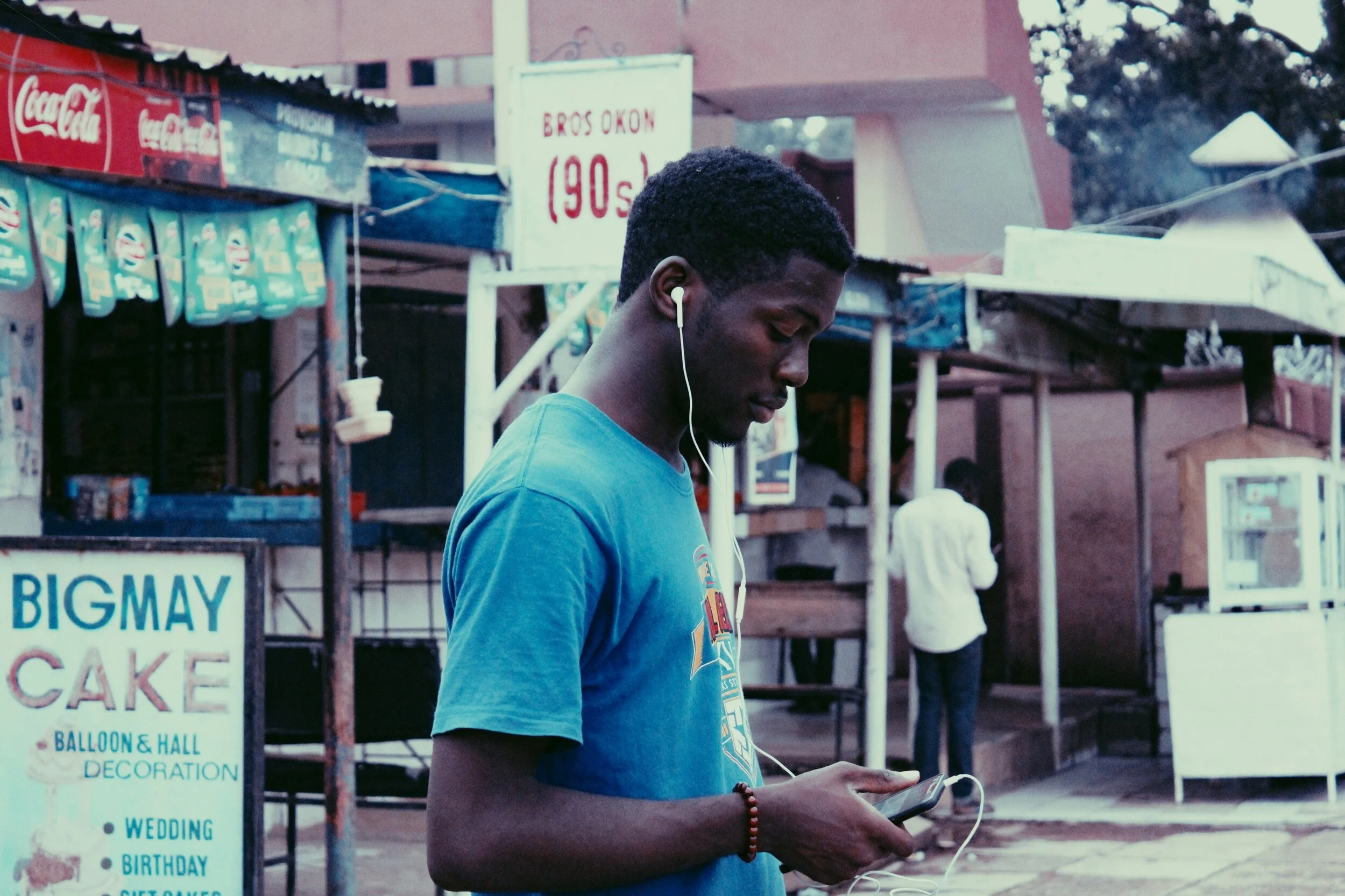
Impact of the Internet in Africa
In this blog post we are shining a light on the digital divide in Africa.
Africa is the content with the with the lowest internet penetration rate at 39% of the population, compared to a global average of nearly 60%.

Why I became an Ambassador
I first met the team on a zoom call and it was great to see all the individuals from different fields who all share the same passion towards the vision of theunconnected.org to connect over a 1 Million NEW people to the internet by 2025.

On Location in Rural Mexico
I am one of theunconnected.org’s ambassadors based in Mexico. I have been working with the team on the ground to launch a project where together with NGO Mentors International, we are offering broadband internet at no-cost to people who would otherwise have no internet connection.

Digital connectivity should be a human right. But we all need to switch-off, sometimes.
Connectivity enables greater access to education and health services, powers financial inclusion and supports the development of new micro-business and efficiency improvements in existing ones. But it is not evenly distributed by any means.

Closing the Digital Gender Divide
Did you know there are still 3.2 Billion people unconnected globally and the vast majority of them are female? The root causes are complex and driven by social and cultural barriers that can only be overcome by the collective drive of all of us.